

What Is a Site Visit?
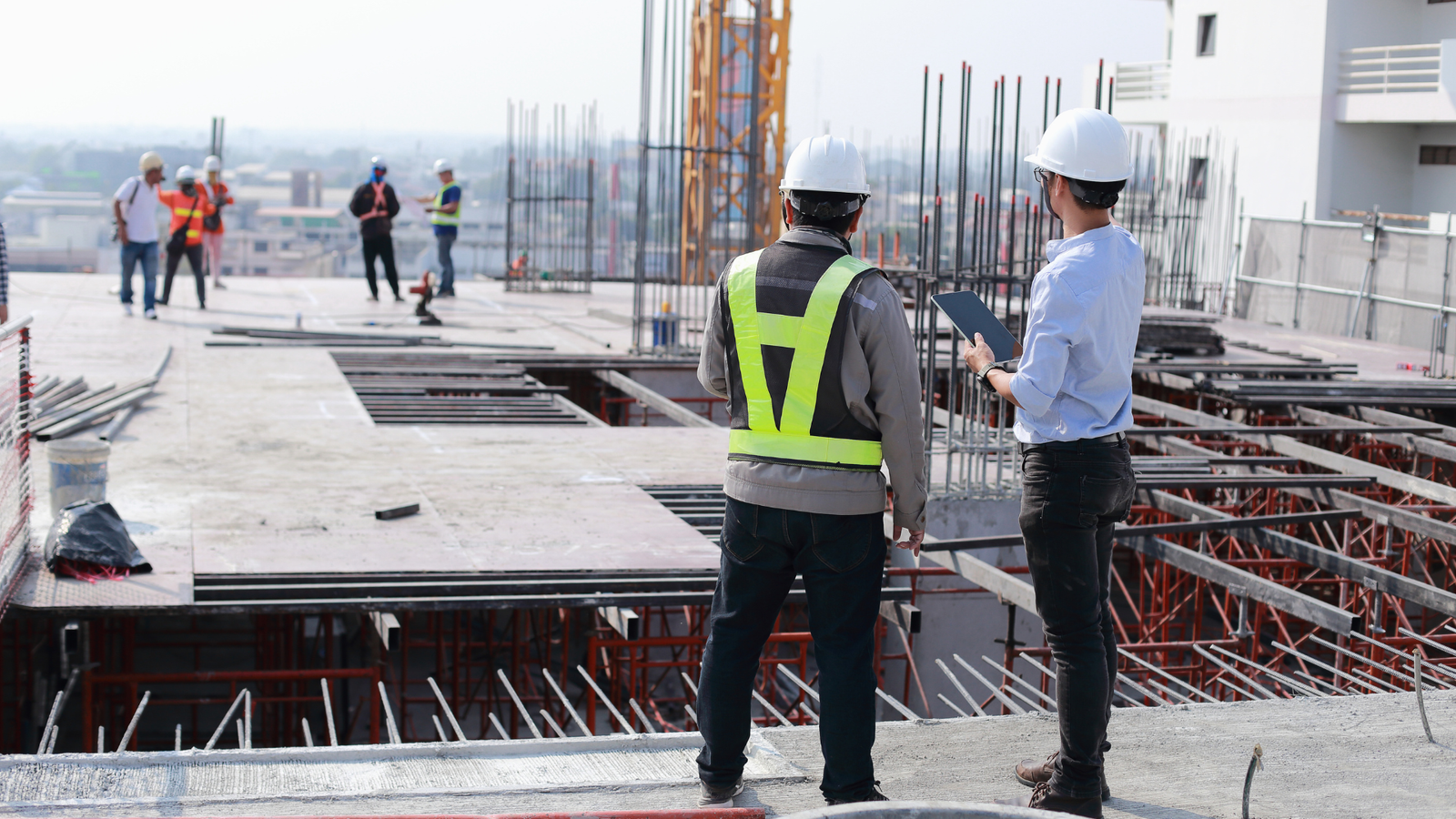
A site visit is an essential aspect of construction projects that involves planning, scheduling, and conducting inspections at the actual job site. It allows construction managers, architects, engineers, and stakeholders to evaluate the progress of work, assess quality, identify potential issues, and ensure that the project aligns with specifications and timelines. Rather than just a formality, site visits are integral to successful project implementation.
Importance of Site Visits
Site visits carry significant importance for several reasons. They provide firsthand insights into the day-to-day operations and challenges on the ground. By being physically present at the site, stakeholders can:
- Verify compliance with safety regulations and standards.
- Inspect the quality of materials and workmanship.
- Monitor progress and adjust schedules as necessary.
- Engage with workers and subcontractors for better communication.
- Identify any issues before they escalate into major problems.
This proactive approach helped ensure that projects stay on track, within budget, and meet the expected standards. It’s much easier to make informed decisions based on what is seen rather than relying solely on reports or updates.
Planning Your Site Visit Effectively
Effective planning is essential to maximize the benefits of a site visit. Here are some key steps to consider:
- Schedule Ahead: Coordinate with all relevant parties, such as contractors and team members, to set an appropriate date and time for the visit.
- Set Clear Objectives: Define what you hope to achieve from the visit. Is it to check progress on a specific task or ensure compliance with safety protocols?
- Create a Checklist: Prepare a checklist of items to review during your visit. This can include safety measures, work quality, equipment conditions, and more.
- Document Findings: Take notes and photographs during your site visit. This documentation is crucial for future reference and accountability.
Executing an Effective Site Visit
When it’s time for the actual visit, execution is everything. Upon arrival at the site, it’s important to:
- Conduct a briefing with your team to discuss objectives.
- Be open to interactions with crew members; they often have invaluable insights about ongoing work.
- Remain objective; focus on facts rather than preconceived notions.
- If issues are observed, address them immediately or escalate them appropriately.
A well-executed site visit can make a significant difference in the overall success of the construction project. Thus, paying attention to detail during these visits is crucial for upholding quality standards.
The Role of Technology in Site Visits
In recent years, technology has revolutionized how site visits are conducted. Various tools and platforms have emerged that enhance efficiency and effectiveness during these assessments. Here are some ways technology plays a pivotal role:
- Drones: Drones can provide aerial views of large construction sites, allowing teams to capture data from angles that are hard to reach otherwise. They can be used for surveying land and monitoring ongoing projects over time without needing extensive ground inspections.
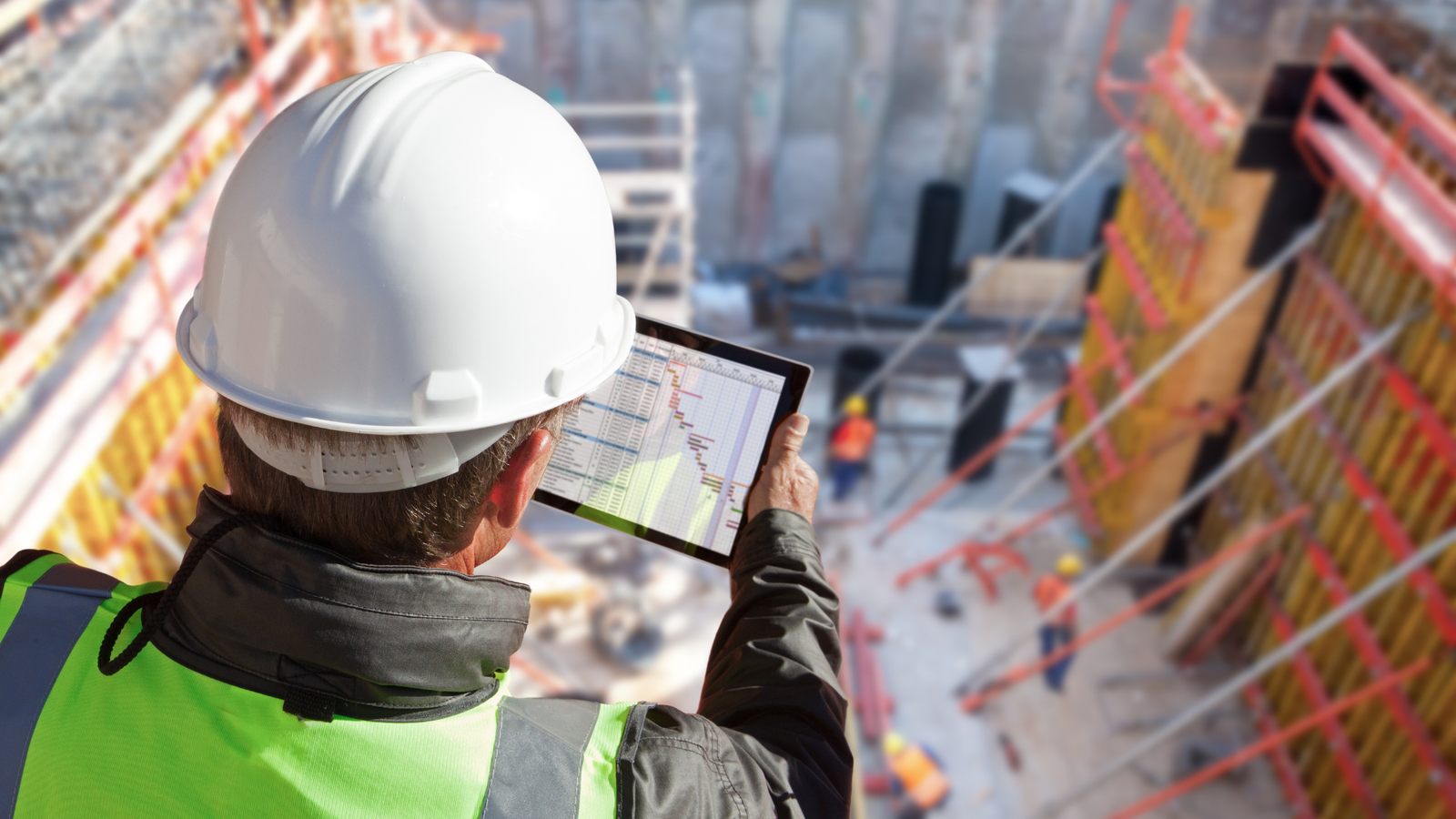
- Mobile Applications: Various applications allow teams to document findings in real-time during site visits. These apps enable easy sharing of notes, images, and videos among team members, ensuring everyone stays informed regardless of their physical location.
- BIM (Building Information Modeling): BIM technology enables stakeholders to visualize every aspect of a construction project before it is built. During site visits, teams can utilize BIM models to compare construction against original plans in 3D formats — making discrepancies easier to identify.
- Virtual Reality (VR): VR simulations can allow project stakeholders to conduct virtual walkthroughs of sites before actual construction begins. This approach helps teams foresee potential challenges and collaborate effectively on design decisions before physical work starts.
The embrace of technology not only streamlines site visits but also enhances overall project management by ensuring data accuracy and improving communication among all parties involved.
A Final Thought: More Than Just an Inspection
The concept of a site visit should not be viewed simply as another task on a checklist. It’s an opportunity to gather valuable information that can influence decision-making and enhance collaboration among all parties involved. By committing to thorough planning and execution during these visits, project teams can lay down solid groundwork for successful outcomes in their projects. For those interested in delving deeper into this practice or seeking resources to assist in planning effective site visits, visit site might be just what you need!
Engagement with Stakeholders During Site Visits
Effective site visits serve as a platform for engaging stakeholders, including project owners, contractors, and subcontractors. This interaction can significantly enhance communication lines and ensure that everyone is on the same page regarding project expectations and timelines. When stakeholders actively participate during a site visit, they can provide immediate feedback and insights that may not surface in traditional meetings or reports.
Moreover, this engagement allows for the exploration of concerns raised by both management and on-site workers. Understanding the perspectives of laborers and upper management can create a more holistic view of project progress and challenges. Consequently, building these relationships fosters a collaborative environment where issues can be resolved more efficiently, ultimately leading to higher satisfaction levels among all involved parties.
Post-Visit Follow-Up: Solidifying Insights Gained
The value of a site visit extends beyond the time spent on location; it encompasses the actions taken afterward. A structured post-visit follow-up is critical to solidify the insights gained during the visit. By documenting findings and discussing them in subsequent team meetings, project members can transform observations into actionable strategies that drive progress.
A follow-up not only ensures accountability but also verifies that all stakeholders understand their roles in addressing any identified issues. Additionally, sharing key takeaways through detailed reports can keep everyone informed, paving the way for transparency throughout the project’s life cycle. Emphasizing accountability after a site visit reinforces its significance and encourages continuous improvement in planning future visits.
